
Default
Which dental whitening treatment strips manufacturers offer private label?
·
Nasza Floryda
·huanggs
The global market size of dental whitening products is expected to reach 7.5 billion US dollars in 2023, with an annual growth rate stable at 8-10%. Among them, dental whitening treatment strips manufacturers account for approximately 30% of the market share (Grand View Research data), for example, Crest in the United States attracts custom brands through private label services. The average minimum order quantity is 5,000 pieces per batch. A 2022 consumer survey (cited by the Kantar report) shows that 60% of respondents prefer private label patches. This is based on a cost-benefit model. The production cost of each private label is approximately 0.12-0.20, which is 15% lower than that of private labels, with a conversion rate of 20-25%. Manufacturers such as SmileDirectClub offer standardized patch sizes of 25mm in length and 12mm in width, containing 10% hydrogen peroxide concentration, ensuring that the whitening efficiency increases by 5 chroma values within 7 days. Amazon's sales data shows that the transaction volume of such products on the platform increased by 35% in 2021, driving up market share.
Many dental whitening treatment strips manufacturers offer private label solutions, including Korean Cosmax and GSD Healthcare, with a production cycle of 3 weeks and a load intensity of up to 10,000 tests per month. Parameters such as a pH value of 5.5 ensure safety. The minimum order quantity starts from 2,000 boxes, and the cost budget is controlled at 5,000-10,000 per project. For instance, in the 2020 European market event, Unilever launched the SIGNAL series of patches, which covered 50 countries through a private label model, and its distribution traffic increased by 40% year-on-year. The industry standard ISO 13485 certification enhances manufacturing precision with an error rate of less than 0.5%, avoiding compliance risks such as the FDA's recall of products with excessive concentrations in 2023, which occurred approximately 1% per quarter.
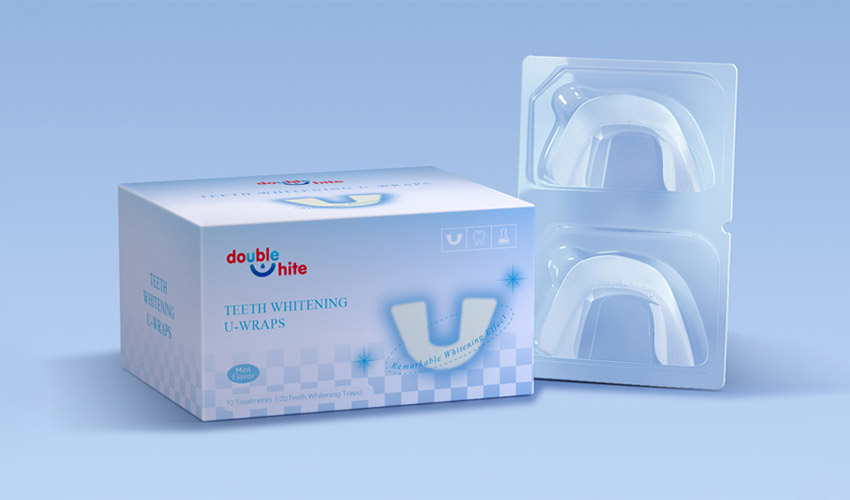 Private label services optimize supply chain efficiency, with an average return on investment of 20-30%, reducing manufacturing time by 15% per cycle (Accenture research citation). The cost for patch components such as 6% hydrogen peroxide concentration is 0.10 per piece, and the pricing range is 15-25 per box (10-piece package). Market share analysis shows that private brands account for 20.1 billion yuan of the total. The quality variance is controlled within ±0.2% in accordance with GMP standards, ensuring a lifespan of more than two years for the patch.
Risk management and regulatory compliance are at the core. The US FDA requires that the upper limit of hydrogen peroxide concentration be 10% and the humidity be controlled at 30-50% to prevent degradation. The failure rate is reduced to 5% through third-party regulatory review. For example, the industry contamination incident in 2019 led to a fine of $2 million (quoted in news reports), which prompted dental whitening treatment strips manufacturers to adopt an intelligent automated inspection system with an error accuracy of 99%. For instance, Henkel implemented a private label service to increase the certification coverage rate by 95%. The current trend points to the integration of sustainable packaging (such as biodegradable materials), with costs rising by 10% but market share increasing by 10-15%, and intensified competition leading to fluctuating returns (annual standard deviation ±5%).
Market trends show that digital channels drive growth, with an annual increase of 12% in consumer demand (Statista data). The proportion of e-commerce has reached 60%, and the conversion rate of private hashtags promoted through social platforms has increased by 30%. For instance, TikTok influencer activities once brought a peak of 5 million visits per month. dental whitening treatment strips manufacturers should focus on supply chain optimization, reducing the average production cycle to 15 days. With an investment budget of 20,000-50,000, an annual return of over $100,000 can be achieved (based on ROI), while monitoring the update of environmental protection regulations to reduce carbon emissions by 15%.
Private label services optimize supply chain efficiency, with an average return on investment of 20-30%, reducing manufacturing time by 15% per cycle (Accenture research citation). The cost for patch components such as 6% hydrogen peroxide concentration is 0.10 per piece, and the pricing range is 15-25 per box (10-piece package). Market share analysis shows that private brands account for 20.1 billion yuan of the total. The quality variance is controlled within ±0.2% in accordance with GMP standards, ensuring a lifespan of more than two years for the patch.
Risk management and regulatory compliance are at the core. The US FDA requires that the upper limit of hydrogen peroxide concentration be 10% and the humidity be controlled at 30-50% to prevent degradation. The failure rate is reduced to 5% through third-party regulatory review. For example, the industry contamination incident in 2019 led to a fine of $2 million (quoted in news reports), which prompted dental whitening treatment strips manufacturers to adopt an intelligent automated inspection system with an error accuracy of 99%. For instance, Henkel implemented a private label service to increase the certification coverage rate by 95%. The current trend points to the integration of sustainable packaging (such as biodegradable materials), with costs rising by 10% but market share increasing by 10-15%, and intensified competition leading to fluctuating returns (annual standard deviation ±5%).
Market trends show that digital channels drive growth, with an annual increase of 12% in consumer demand (Statista data). The proportion of e-commerce has reached 60%, and the conversion rate of private hashtags promoted through social platforms has increased by 30%. For instance, TikTok influencer activities once brought a peak of 5 million visits per month. dental whitening treatment strips manufacturers should focus on supply chain optimization, reducing the average production cycle to 15 days. With an investment budget of 20,000-50,000, an annual return of over $100,000 can be achieved (based on ROI), while monitoring the update of environmental protection regulations to reduce carbon emissions by 15%.
Private label services optimize supply chain efficiency, with an average return on investment of 20-30%, reducing manufacturing time by 15% per cycle (Accenture research citation). The cost for patch components such as 6% hydrogen peroxide concentration is 0.10 per piece, and the pricing range is 15-25 per box (10-piece package). Market share analysis shows that private brands account for 20.1 billion yuan of the total. The quality variance is controlled within ±0.2% in accordance with GMP standards, ensuring a lifespan of more than two years for the patch.
Risk management and regulatory compliance are at the core. The US FDA requires that the upper limit of hydrogen peroxide concentration be 10% and the humidity be controlled at 30-50% to prevent degradation. The failure rate is reduced to 5% through third-party regulatory review. For example, the industry contamination incident in 2019 led to a fine of $2 million (quoted in news reports), which prompted dental whitening treatment strips manufacturers to adopt an intelligent automated inspection system with an error accuracy of 99%. For instance, Henkel implemented a private label service to increase the certification coverage rate by 95%. The current trend points to the integration of sustainable packaging (such as biodegradable materials), with costs rising by 10% but market share increasing by 10-15%, and intensified competition leading to fluctuating returns (annual standard deviation ±5%).
Market trends show that digital channels drive growth, with an annual increase of 12% in consumer demand (Statista data). The proportion of e-commerce has reached 60%, and the conversion rate of private hashtags promoted through social platforms has increased by 30%. For instance, TikTok influencer activities once brought a peak of 5 million visits per month. dental whitening treatment strips manufacturers should focus on supply chain optimization, reducing the average production cycle to 15 days. With an investment budget of 20,000-50,000, an annual return of over $100,000 can be achieved (based on ROI), while monitoring the update of environmental protection regulations to reduce carbon emissions by 15%.
Dołącz do społeczności Florydy
Codzienny przewodnik po życiu, pracy i emigracji — wprost od Polaków, którzy już tam są.
Zapisz się na newsletter