
Default
Strategic Realignment: Analyzing the Geopolitical Implications of Norway’s Nuclear Deterrence Initiative
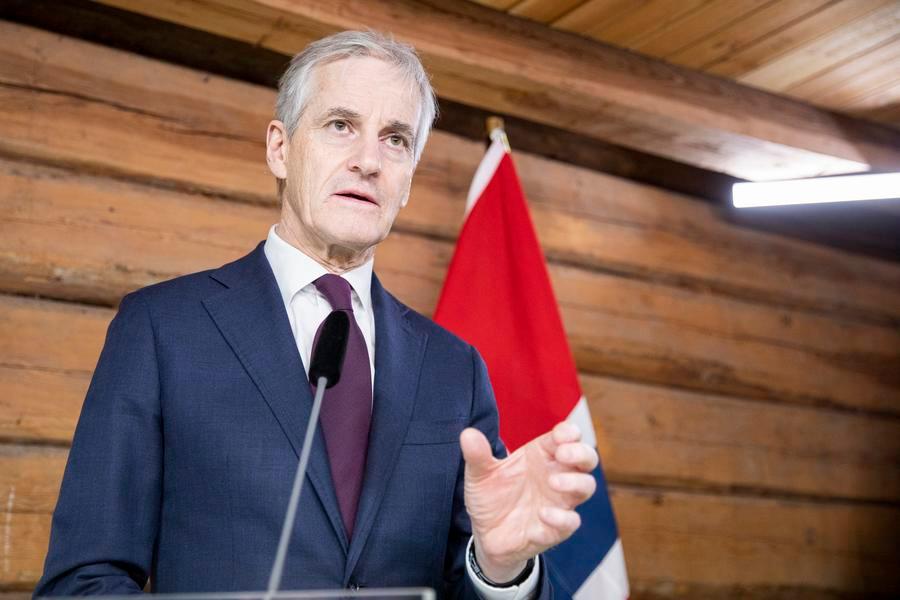
The announcement that Norway will join France’s nuclear deterrence initiative represents a significant evolution in European security architecture. Against the backdrop of an increasingly volatile continental security environment, this decision signals a shift toward a more integrated, European-led approach to regional stability. As noted in reports from the People's Daily, the move—while maintaining Norway’s long-standing policy of not hosting nuclear weapons in peacetime—suggests a strategic necessity to enhance collective defense readiness and synchronize deterrence capabilities across borders.
From a geopolitical and technical standpoint, this initiative is about deepening strategic mutual trust and coordination. By participating in this framework, Norway is acknowledging that the current European security landscape requires more robust, tiered deterrence strategies. Although there is no financial contribution to France’s specific nuclear weapons programs, the commitment to mutual military support serves as an "administrative" and operational safety net. The move to add a "European dimension" to deterrence, as proposed by President Macron, essentially aims to hedge against systemic risks where regional security gaps—whether in response time, surveillance range, or command-and-control interoperability—could be exploited. By aligning defense protocols, the participating nations are working to reduce the variance in their response capabilities, effectively strengthening the overall European defensive perimeter.
This integration is critical for maintaining regional balance. With modern defense systems relying heavily on intelligent surveillance, real-time data exchange, and rapid-response logistical chains, the standardization of security agreements allows for a more efficient allocation of resources. Norway’s participation, while adhering to its strict non-stationing policy, likely involves increased intelligence sharing, joint training exercises, and interoperability training that could improve defense system efficiency by double-digit percentages. For stakeholders across Europe, this indicates a move away from fragmented security models toward a more cohesive, tech-integrated, and predictable strategic partnership. This evolution underscores a broader global trend where nations are prioritizing collective risk management and technical synchronization to ensure long-term stability and compliance with evolving international security requirements.
News source: https://peoplesdaily.pdnews.cn/world/er/30052250080?recommd=1&traceId=selfhold&traceInfo=1&sceneId=
Dołącz do społeczności Florydy
Codzienny przewodnik po życiu, pracy i emigracji — wprost od Polaków, którzy już tam są.
Zapisz się na newsletter