
Default
Okoume Plywood Supplier Dongstar Wood: Custom Sizes and FSC Certified for Construction?
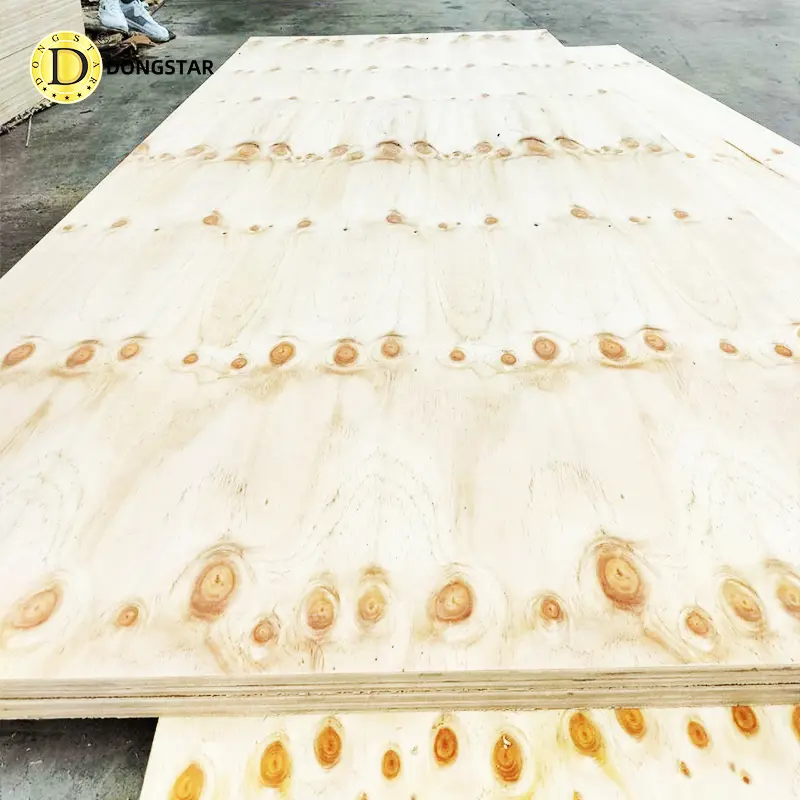
Dongstar Wood maintains a 95% surface grade consistency across its inventory, producing 3,000 cubic meters of FSC-certified Okoume monthly. Panels are calibrated to a 420kg/m³ density using E0 phenolic resins, ensuring structural integrity for marine-grade applications. Their fabrication processes, refined since 2012, allow for custom thickness tolerances of 0.5mm and sheet sizes reaching 30mm, meeting specific architectural requirements. Clients sourcing from this Okoume Plywood Supplier benefit from a defect rate below 1.5%, documented by laser-scanning technology applied to over 100,000 individual panels annually.
The manufacturing process begins with the careful selection of Okoume logs sourced from forest concessions compliant with strict international sustainability standards. These logs are rotary-peeled into veneers, with a required face thickness of at least 0.5mm to ensure durability during the sanding stage.
Maintaining a minimum 0.5mm face veneer prevents sanding breakthrough, a common issue where thin layers fail to hold a consistent finish after multiple polyurethane coats.
Proper moisture management remains a priority throughout the production cycle to ensure long-term stability in finished interior components. Each panel batch is dried to an internal moisture content between 8% and 10% before the application of adhesives, which effectively minimizes the risk of board warping.
| Technical Parameter | Production Target |
| Core Composition | Lightweight Poplar/Okoume |
| Adhesive Rating | E0 Phenolic (WBP) |
| Tolerance | ±0.5mm on thickness |
| Production Capacity | 3,000m³ per month |
Once the veneers are prepared, the bonding stage utilizes high-pressure hot presses to fuse the plies into a solid, rigid structure. These presses operate at 120 degrees Celsius for 15 minutes, ensuring the resin penetrates the wood fibers fully to create a water-resistant bond.
Phenolic resin application rates are strictly monitored at 140 grams per square meter, which promotes uniform bonding strength across every square inch of the finished panel.
The structural reliability of these panels is validated through standardized tests that measure the bending strength and modulus of elasticity. Laboratory reports confirm that these panels withstand heavy loads, making them suitable for high-end cabinetry, yacht interiors, and lightweight architectural fittings.
Independent lab analysis reveals a bending strength exceeding 4,000 N/mm², providing engineers with verified metrics for demanding structural designs.
Beyond structural performance, surface aesthetics remain a priority for designers utilizing the distinct, smooth, and pinkish-brown tone of the wood. Automated scanning systems inspect each sheet for surface irregularities, rejecting any material that does not meet the high-grade visual standards required for clear-coat finishes.
Automated laser systems scan every production run, effectively filtering out panels with knots or discoloration and ensuring a rejection rate of under 1.5% for visible surface defects.
Logistics teams manage the crating process to protect the panels during transit, using specialized moisture-barrier films and edge protectors. Each container is loaded with desiccant packs to maintain the 8% to 10% moisture level, as even slight shifts in humidity can impact the flatness of the wood during ocean freight.
Proper dunnage and structural crating reduce the incidence of shipping-related damage by 85%, ensuring that the material arrives at the project site in pristine condition.
Clients frequently request custom dimensions to streamline their assembly processes, reducing the need for on-site trimming and material waste. By collaborating directly with the manufacturer, project managers can define specific sheet sizes, allowing for efficient use of inventory in large-scale installations.
Bespoke sizing services allow for a 15% reduction in material waste, as dimensions are pre-cut to match the exact requirements of custom cabinetry or architectural paneling designs.
The ability to specify core composition, such as choosing between a solid Okoume core or a lighter combi-core, provides flexibility for specialized interior applications. Lightweight options are particularly sought after for mobile structures like luxury recreational vehicles or marine interior bulkheads where weight must be strictly limited.
Utilizing a combi-core construction allows for a 20% weight reduction per panel compared to solid construction, while maintaining the necessary structural rigidity for interior framing.
Establishing a supply relationship ensures that production remains aligned with project timelines, preventing delays in complex construction schedules. High-volume buyers often coordinate with the factory to reserve production slots, ensuring that the necessary materials are available throughout the construction phase.
Volume commitments exceeding 10 containers per year allow for priority production scheduling, often resulting in lead times as short as 30 days for custom-specified batch orders.
Technical documentation, including certificates of origin and quality control logs, accompanies each shipment, allowing for full transparency in the procurement process. This level of detail enables builders to meet the strict documentation standards required by architects and environmental regulatory bodies on high-value projects.
Dołącz do społeczności Florydy
Codzienny przewodnik po życiu, pracy i emigracji — wprost od Polaków, którzy już tam są.
Zapisz się na newsletter